


-
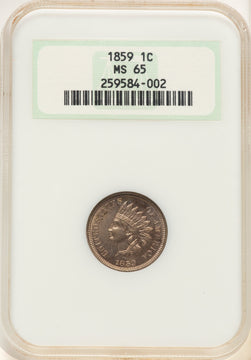
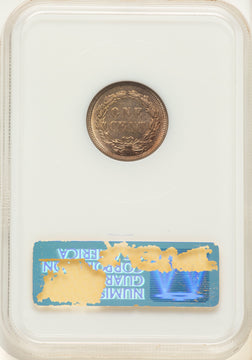
U.S. Mint | SKU: 787546004
1859 1C Indian Cent NGC MS65
$2,912.00 as low as -
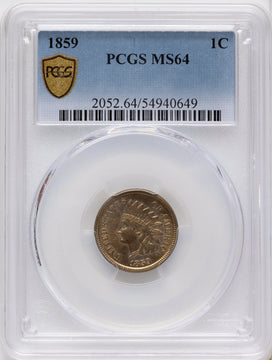
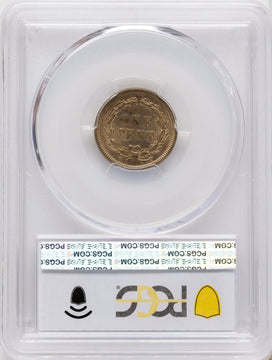
U.S. Mint | SKU: 788815016
1859 1C Indian Cent PCGS MS64
$1,552.50 as low as -
U.S. Mint | SKU: 777581081
1860 1C Indian Cent PCGS MS64
$700.00 as low as -
U.S. Mint | SKU: 518219176
1860 1C Pointed Bust FS-401 CAC Indian Cent NGC MS64+
$2,000.00 as low as -
U.S. Mint | SKU: 783791013
1862 1C CA Proof Indian Cent NGC PR67
$6,440.00 as low as -
U.S. Mint | SKU: 766888003
1862 1C Indian Cent CACG MS65
$1,344.00 as low as -
U.S. Mint | SKU: 521416048
1862 1C Indian Cent NGC MS66
$2,352.00 as low as -
U.S. Mint | SKU: 522233003
1862 1C Indian Cent PCGS MS64
$588.00 as low as -
U.S. Mint | SKU: 765434024
1864 1C L On Ribbon RB Indian Cent NGC MS65
$1,380.00 as low as -
U.S. Mint | SKU: 789569001
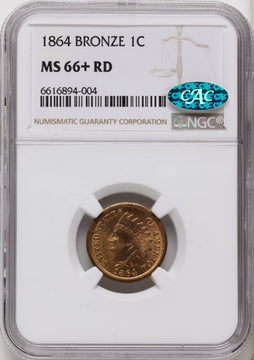
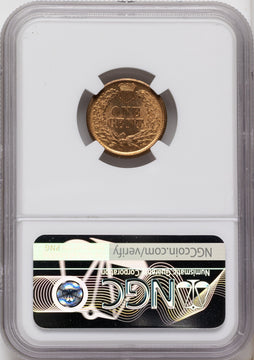
1864 Bronze No L Indian Cent NGC MS66+
$4,760.00 as low as -
U.S. Mint | SKU: 758847029
1864 Bronze No L RD Indian Cent NGC MS66
$2,352.00 as low as -
U.S. Mint | SKU: 764780005
1864 Copper-Nickel Indian Cent NGC MS65
$1,260.00 as low as -
U.S. Mint | SKU: 508036002
1865 1C RB CAC Indian Cent PCGS MS65
$980.00 as low as -
U.S. Mint | SKU: 786043001
1867 1C BN CAC Indian Cent CACG MS63
$616.00 as low as -
U.S. Mint | SKU: 507604002
1867 1C BN CAC Indian Cent PCGS MS64
$532.00 as low as -
U.S. Mint | SKU: 787576005
1867/67 1C BN Indian Cent PCGS XF45
$868.00 as low as -
U.S. Mint | SKU: 759855006
1868 1C RB Indian Cent NGC MS66
$1,512.00 as low as -
U.S. Mint | SKU: 778953006
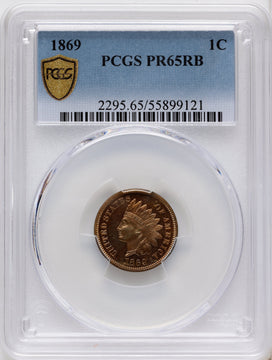
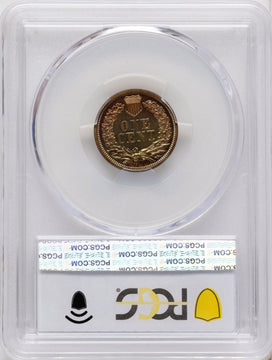
1869 1C RB Proof Indian Cent PCGS PR65
$1,725.00 as low as -
U.S. Mint | SKU: 765479009
1871 1C RB Indian Cent NGC MS63
$968.75 as low as -
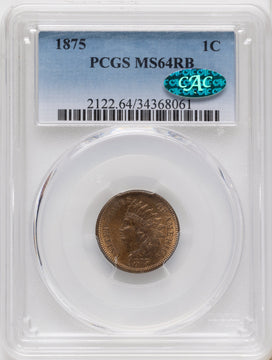
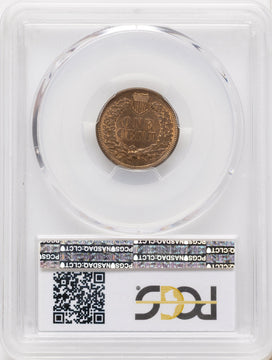
U.S. Mint | SKU: 790022001
1875 1C RB CAC Indian Cent PCGS MS64
$840.00 as low as -
U.S. Mint | SKU: 784506018
1877 1C BN Indian Cent NGC AG03
$459.20 as low as -
U.S. Mint | SKU: 517048084
1877 1C BN Indian Cent NGC VG10
$812.00 as low as -
U.S. Mint | SKU: 504621002
1877 1C BN Indian Cent PCGS F12
$1,170.75 as low as -
U.S. Mint | SKU: 786425176
1877 1C BN Indian Cent PCGS VF30
$1,904.00 as low as








At LCR Coin, we specialize in certified rare coins, modern collectibles, Pre-1933 gold, and precious metals backed by over 35 years of industry experience. Whether you are building a collection, investing in gold and silver, or searching for sought-after modern releases, we focus on offering quality products backed by respected grading services and professional customer support.
We specialize in certified coins from leading grading companies including NGC, PCGS, and CAC, along with premium U.S. Mint releases, low-mintage issues, and advanced designation coins. Every order is handled with care, secure packaging, and a commitment to transparency from purchase to delivery.
- Certified coins from industry-leading grading services
- Family-owned with over 35 years of industry experience
- Competitive pricing with no hidden fees
- Secure insured shipping and professional packaging
- Collector focused customer service and support
- Carefully curated inventory of rare and modern coin


Frequently Asked Questions
Yes.
- Orders $349 and over ship FREE with full insurance within the United States.
- Orders under $349 are charged a minimum $16.95 insured shipping fee.
Pre-order pricing is locked in and charged in full at the time of purchase. As precious metals prices and U.S. Mint issue prices change, future inventory is often higher. Your pre-order secures both your price and your allocation.
You may cancel your pre-order at any time prior to fulfillment for a full refund. However, if you choose to place a new order later, it will be subject to current market pricing and availability.
Estimated delivery dates are provided on each product page and are subject to change based on U.S. Mint, grading service, or supplier release schedules.
Yes. LCR Coin proudly offers a wide selection of coins certified and graded by the industry’s leading third-party grading companies, including PCGS, NGC, and CAC.
LCR Coin has been a trusted rare coin and precious metals dealer for over 30 years, offering certified rare coins, modern releases, and gold & silver bullion from the industry’s leading grading services.
As an Authorized Dealer for PCGS, NGC, and CAC, we are committed to providing collectors and investors with high-quality certified coins, competitive pricing, secure shipping, and exceptional customer service.
Estimated delivery dates are provided on the product page and are subject to change based on U.S. Mint or supplier release schedules.
More About This Collection
Indian Head Cents (1859–1909)
The Indian Head Cent, designed by James B. Longacre, was introduced in 1859 as the successor to the short-lived Flying Eagle Cent. Produced for fifty years, the series spans the Civil War, Reconstruction, and the remarkable industrial expansion of the United States.
Featuring Liberty wearing a Native American feathered headdress, Indian Head Cents remain an important series in American numismatics. Collectors pursue these historic copper coins by date, mintmark, design variety, and condition, with the 1877, 1908-S, and 1909-S recognized as key dates.
History and Design of the Indian Head Cent
The Flying Eagle Cent, introduced for circulation in 1857, presented production challenges because its design was difficult to strike consistently. Chief Engraver James B. Longacre developed a replacement featuring Liberty facing left, wearing a feathered headdress inscribed LIBERTY.
The obverse displays UNITED STATES OF AMERICA surrounding Liberty, with the date positioned beneath her portrait.
The original 1859 Indian Head Cent featured a laurel wreath surrounding ONE CENT on the reverse. In 1860, the Mint introduced a new reverse featuring an oak wreath with a small shield above the denomination. This design remained in use through the end of the series in 1909.
Civil War and the 1864 Composition Change
The earliest Indian Head Cents were struck in a copper-nickel alloy containing 88% copper and 12% nickel. These thicker, lighter-colored coins are sometimes called copper-nickel or white cents.
During the Civil War, the hoarding of coins created shortages of small change. In 1864, the United States Mint changed the Indian Head Cent's composition to 95% copper with the remaining 5% consisting of tin and zinc, reducing its weight and production costs.
The thinner bronze composition continued through 1909.
Another important 1864 variety features a small L on the ribbon behind Liberty's neck, identifying designer James B. Longacre. The 1864-L Indian Head Cent is a popular variety among collectors.
Key Dates and Rare Indian Head Cents
Although many Indian Head Cents were produced in substantial quantities, several dates and varieties are especially important to collectors.
1877 Indian Head Cent: With a reported mintage of just 852,500 coins, the 1877 is one of the most recognized key dates in the series. Surviving examples are particularly desirable in higher grades.
1908-S Indian Head Cent: The first Indian Head Cent struck outside Philadelphia, with a mintage of 1,115,000 coins. The S mintmark appears beneath the wreath on the reverse.
1909-S Indian Head Cent: With a mintage of only 309,000 coins, the 1909-S has the lowest reported mintage of any regular-issue Indian Head Cent.
Collectors also recognize varieties such as the 1864-L, 1873 Doubled LIBERTY, 1886 Type 1 and Type 2, and 1888/7 overdate.
Collecting Certified Indian Head Cents
Indian Head Cents offer collectors several approaches, from assembling a complete date-and-mintmark set to specializing in scarce varieties, Proof issues, or exceptional Mint State examples.
Certified examples are commonly evaluated for strike quality, original surfaces, preservation, and remaining copper color, with Brown (BN), Red-Brown (RB), and Red (RD) designations used for applicable bronze coins.
Coins graded by PCGS, NGC, and CACG, along with CAC-approved examples, provide collectors with professionally evaluated examples of this historic American cent series.
