


-

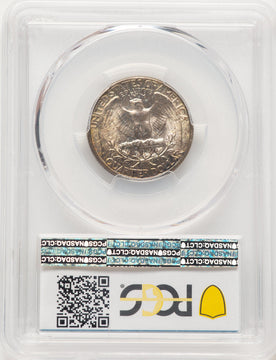 U.S. Mint | SKU: 522320030
1932 25C CAC Washington Quarter PCGS MS66+
$1,232.00 as low as -
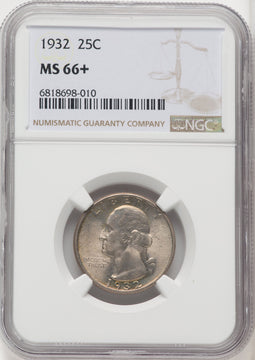
 U.S. Mint | SKU: 519272013
1932 25C Washington Quarter NGC MS66+
$1,062.50 as low as -
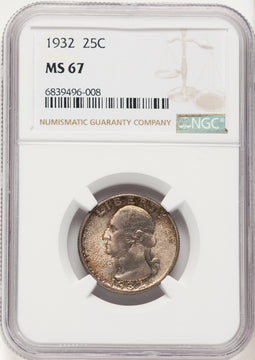
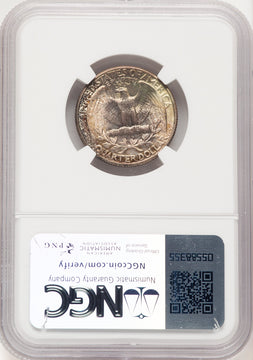 U.S. Mint | SKU: 782816006
1932 25C Washington Quarter NGC MS67 (782816006)
$3,920.00 as low as -

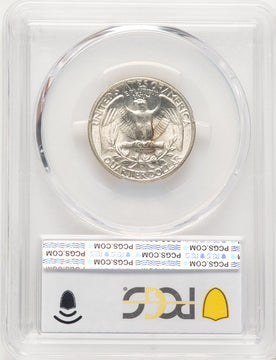 U.S. Mint | SKU: 783704003
1932-D 25C Washington Quarter PCGS MS62 (783704003)
$1,400.00 as low as -

 U.S. Mint | SKU: 787211001
1932-D 25C Washington Quarter PCGS MS64
$2,800.00 as low as -
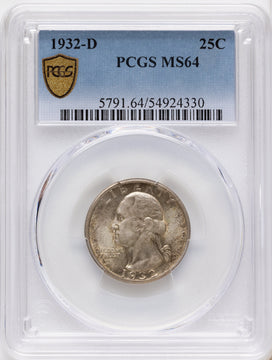
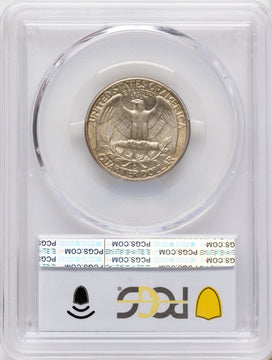 U.S. Mint | SKU: 788801001
1932-D 25C Washington Quarter PCGS MS64
$2,800.00 as low as -
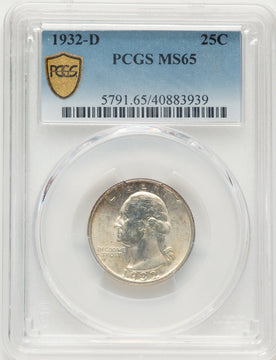
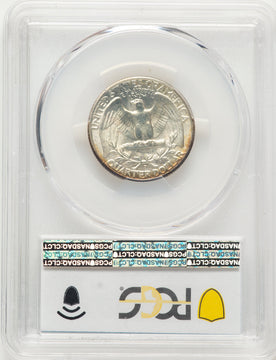 U.S. Mint | SKU: 785606018
1932-D 25C Washington Quarter PCGS MS65
$8,680.00 as low as -
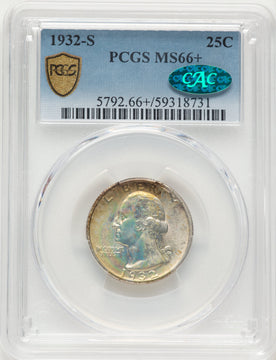
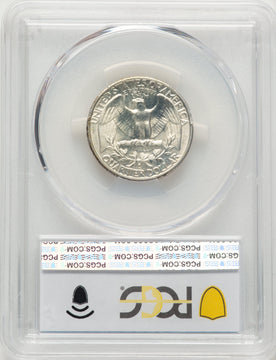 U.S. Mint | SKU: 789808003
1932-S 25C CAC Washington Quarter PCGS MS66+
$106,400.00 as low as -
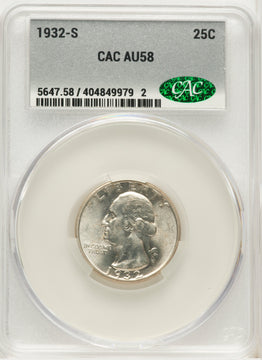
 U.S. Mint | SKU: 522896038
1932-S 25C Washington Quarter CACG AU58
$420.00 as low as -
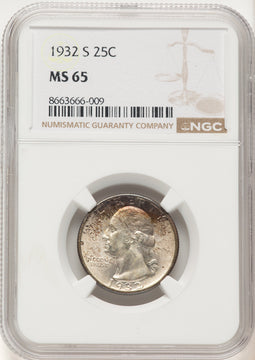
 U.S. Mint | SKU: 779869002
1932-S 25C Washington Quarter NGC MS65
$2,184.00 as low as -
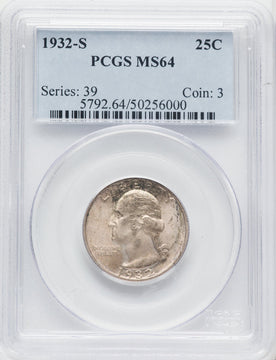
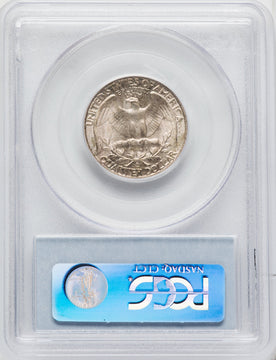 U.S. Mint | SKU: 519054018
1932-S 25C Washington Quarter PCGS MS64
$1,000.00 as low as -
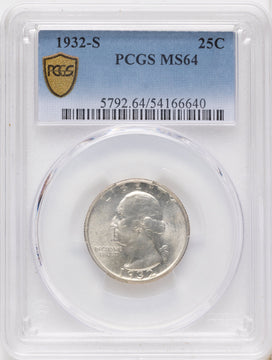
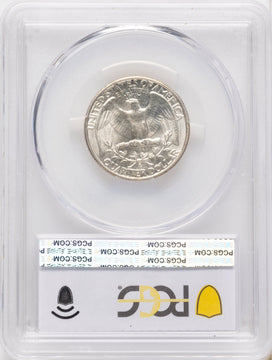 U.S. Mint | SKU: 789741001
1932-S 25C Washington Quarter PCGS MS64
$1,092.00 as low as -
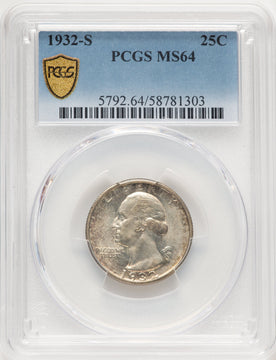
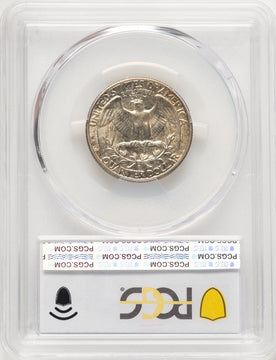 U.S. Mint | SKU: 521835012
1932-S 25C Washington Quarter PCGS MS64 (521835012)
$1,120.00 as low as -
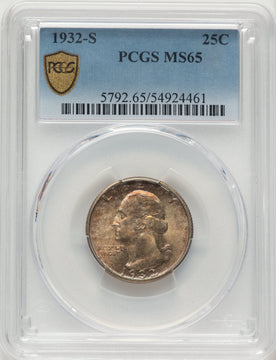
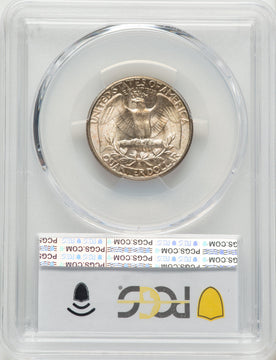 U.S. Mint | SKU: 507806009
1932-S 25C Washington Quarter PCGS MS65
$2,128.00 as low as -
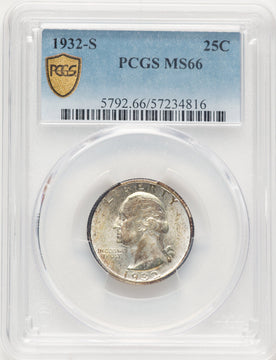
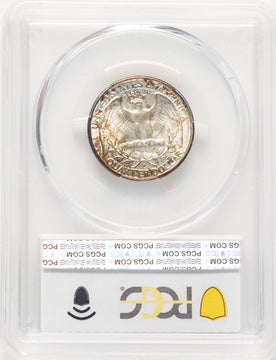 U.S. Mint | SKU: 780454003
1932-S 25C Washington Quarter PCGS MS66
$28,000.00 as low as -
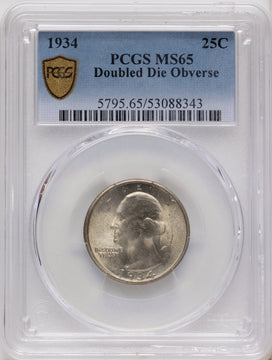
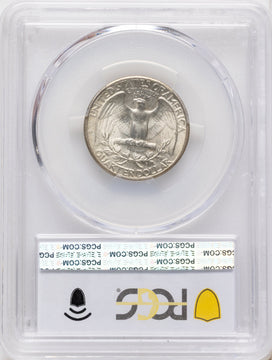 U.S. Mint | SKU: 790924002
1934 25C Doubled Die Obverse FS-101 Washington Quarter PCGS MS65
$2,645.00 as low as -
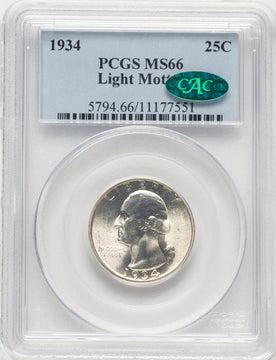
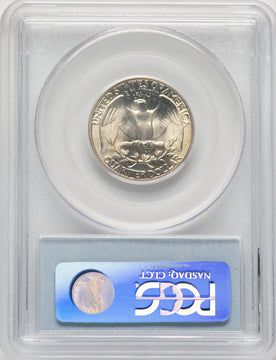 U.S. Mint | SKU: 785487004
1934 25C Light Motto CAC Washington Quarter PCGS MS66
$504.00 as low as -
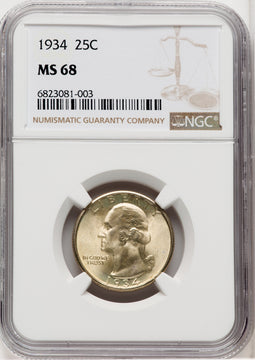
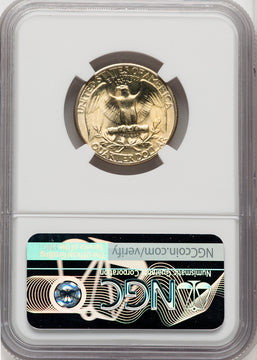 U.S. Mint | SKU: 768635006
1934 25C Washington Quarter NGC MS68 (768635006)
$3,528.00 as low as -
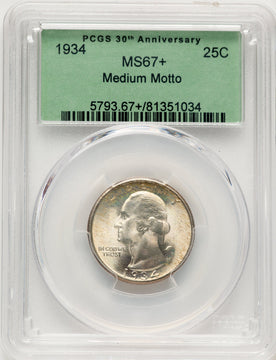
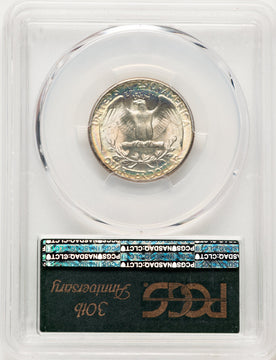 U.S. Mint | SKU: 506385001
1934 25C Washington Quarter PCGS MS67+ (506385001)
$784.00 as low as -
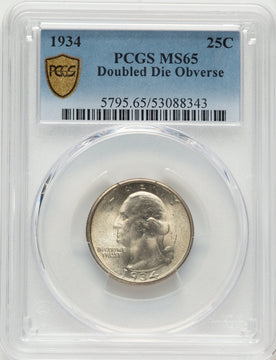
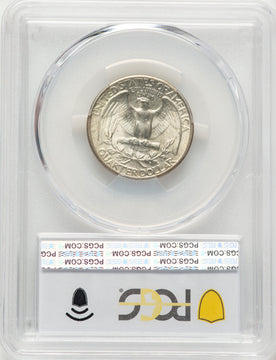 U.S. Mint | SKU: 787163002
1934 Doubled Die Obverse Washington Quarter PCGS MS65
$2,744.00 as low as -
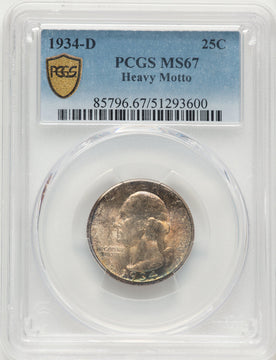
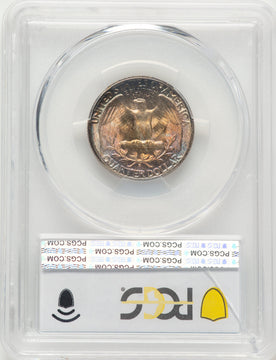 U.S. Mint | SKU: 785787006
1934-D 25C Heavy Motto Washington Quarter PCGS MS67
$7,560.00 as low as -
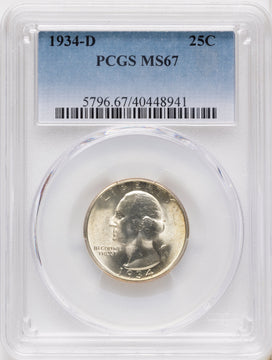
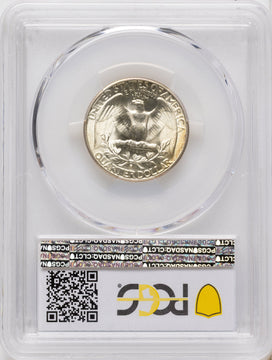 U.S. Mint | SKU: 789802007
1934-D 25C Medium Motto Washington Quarter PCGS MS67
$5,208.00 as low as -
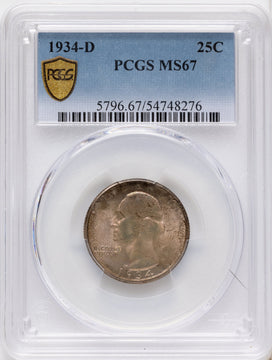
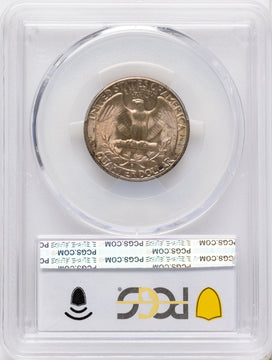 U.S. Mint | SKU: 789672007
1934-D 25C Medium Motto Washington Quarter PCGS MS67
$4,704.00 as low as -
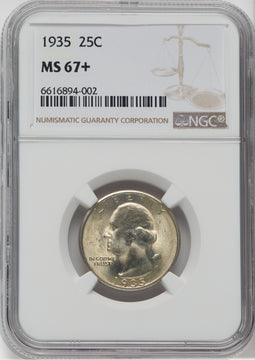
 U.S. Mint | SKU: 504590021
1935 25C NGC Plus Washington Quarter NGC MS67+
$575.00 as low as


At LCR Coin, we specialize in certified rare coins, modern collectibles, Pre-1933 gold, and precious metals backed by over 35 years of industry experience. Whether you are building a collection, investing in gold and silver, or searching for sought-after modern releases, we focus on offering quality products backed by respected grading services and professional customer support.
We specialize in certified coins from leading grading companies including NGC, PCGS, and CAC, along with premium U.S. Mint releases, low-mintage issues, and advanced designation coins. Every order is handled with care, secure packaging, and a commitment to transparency from purchase to delivery.
- Certified coins from industry-leading grading services
- Family-owned with over 35 years of industry experience
- Competitive pricing with no hidden fees
- Secure insured shipping and professional packaging
- Collector focused customer service and support
- Carefully curated inventory of rare and modern coin


Frequently Asked Questions
Yes.
- Orders $349 and over ship FREE with full insurance within the United States.
- Orders under $349 are charged a minimum $16.95 insured shipping fee.
Pre-order pricing is locked in and charged in full at the time of purchase. As precious metals prices and U.S. Mint issue prices change, future inventory is often higher. Your pre-order secures both your price and your allocation.
You may cancel your pre-order at any time prior to fulfillment for a full refund. However, if you choose to place a new order later, it will be subject to current market pricing and availability.
Estimated delivery dates are provided on each product page and are subject to change based on U.S. Mint, grading service, or supplier release schedules.
Yes. LCR Coin proudly offers a wide selection of coins certified and graded by the industry’s leading third-party grading companies, including PCGS, NGC, and CAC.
LCR Coin has been a trusted rare coin and precious metals dealer for over 30 years, offering certified rare coins, modern releases, and gold & silver bullion from the industry’s leading grading services.
As an Authorized Dealer for PCGS, NGC, and CAC, we are committed to providing collectors and investors with high-quality certified coins, competitive pricing, secure shipping, and exceptional customer service.
Estimated delivery dates are provided on the product page and are subject to change based on U.S. Mint or supplier release schedules.
More About This Collection
Washington Quarters
As 1932 was approaching, it was going to be the bicentennial of George Washington’s birth. The Treasury wanted to honor our first president. The George Washington Bicentennial Committee wanted a 1932-dated commemorative half dollar to honor him. But Congress instead chose to replace the Standing Liberty Quarter, which had only been minted for the last 15 years.
Sculptress Laura Gardin Fraser created a George Washington commemorative medal and many thought that design would grace the new Quarter. Favoring Fraser’s design were the George Washington Bicentennial Committee and the Commission of Fine Arts CFA).
The CFA supported Fraser’s design, but out-going Treasury Secretary Andrew Mellon did not. Mellon chose John Flanagan’s design for the Washington Quarter. Many people considered Fraser’s design to be superior to Flanagan’s.
Flanagan’s design on the obverse had George Washington, facing left, with the motto “LIBERTY” above his head, the current date, below. The motto “IN GOD WE TRUST” is to Washington’s left and below his chin.
The reverse features an American bald eagle as the central image. The eagle has raised and spread wings and faces left. The eagle is perched on fasces and olive branches below. The country “UNITED STATES OF AMERICA” is above the eagle and below the country is the legend “E PLURIBUS UNUM.” Below the wreath is the mintmark, if any, and the denomination “QUARTER DOLLAR” is at the bottom of the reverse.
Between 1932 and 1964, which was the last year of 90% silver coins being minted, millions of coins from each mint were struck and their predominant value is in the silver that they contain. The exceptions to the values during those years were in the 1932-D and 1932-S coins as well as coins that had minting errors. Doubled Die Obverse coins where you can see the doubling on the letter plainly occurred in 1934, 1937, 1942-D, 1943, and on the 1943-S. Mintmarks being struck over other mintmarks occurred with the 1950-D/S mintmark and the 1950-S/D mintmark. All other dates and mintmarks not mentioned are common and can be sound in 90% bulk coinage, though not in high grade.
By 1964, the price of silver had risen so high that people began hoarding all silver coins. Add to the silver hysteria the fact that the 1964 Kennedy Half Dollar was being hoarded as a memento to the fallen president and there was a serious silver coin shortage. The Treasury responded by striking some 1964-dated coinage in 1965.
With that Congress passed the Coinage Act of 1965 and the Mint transitioned from striking 90% silver 1964-dated quarters to a striking a harder composition of 1965-dated copper-nickel quarters. Between 1965 and 1967, these new clad coins were struck at both mints – Philadelphia and Denver - all without mintmarks, regardless of where they were struck.
With the Bicentennial of American Independence coming in 1976, Congress authorized a design change for the Quarter Dollar, Half Dollar and One Dollar coins to reflect the spirit of American patriotism. These coins would not only bear patriotic designs, but they would also bear the dual date of 1776-1976. For these three denominations there would be no 1975-dated regular design issues. Thus, the Bicentennial were introduced and in order to prevent hoarding they were struck in numbers sufficient to prevent that.
Beginning with the 1977-dated coins, the designs on both sides returned to Flanagan’s original designs. These designs continued, uninterrupted until 1999, when the State Quarters Program was begun. Designed to spur interest in coin collecting, this program honored 5 states each year for a 10-year period. Each state would have their designs struck in the order in which the state joined the Union. The states ran competitions to select the designs that best exemplified their individual state. The designs were selected by the Treasury Secretary upon the recommendation by each state’s governor.
Once the State Quarter Program had run its course, the Mint in 2009 struck coins for the District of Columbia and for 5 US Territories. All were struck during 2009 and all were struck in the same options as were the State Quarters.
Based on the success of the State Quarters Program and then the Territories, the next Quarter type created was the America the Beautiful series. The coins would honor a site in each state of “natural or historical significance.” This was left open to interpretation by the states and the series would run from 2010 to 2021.
