


-
U.S. Mint | SKU: 781417025
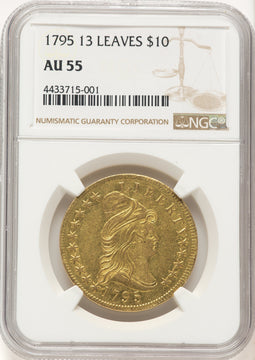
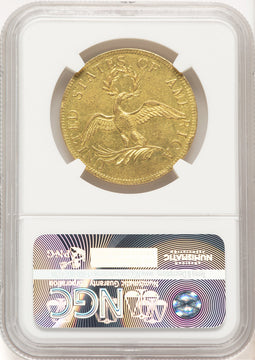
1795 $10 13 Leaves Early Eagle NGC AU55
$89,600.00 as low as -
U.S. Mint | SKU: 784501003
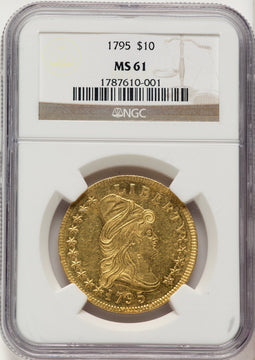
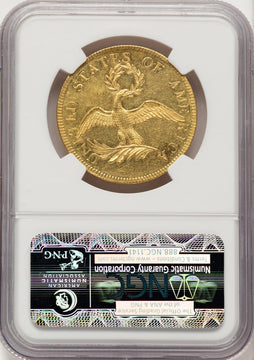
1795 $10 13 Leaves Early Eagle NGC MS61
$154,570.00 as low as -
U.S. Mint | SKU: 910168001
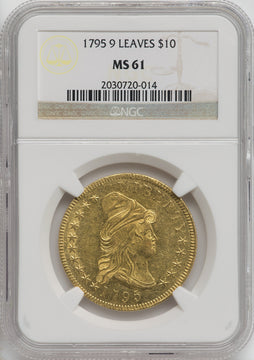
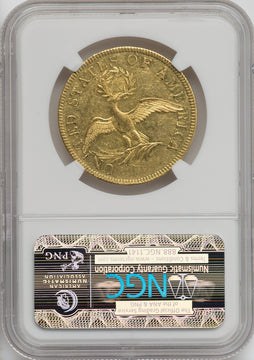
1795 $10 9 LEAVES Early Eagle NGC MS61
$616,000.00 as low as -
U.S. Mint | SKU: 910587003
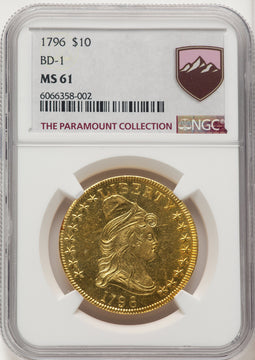
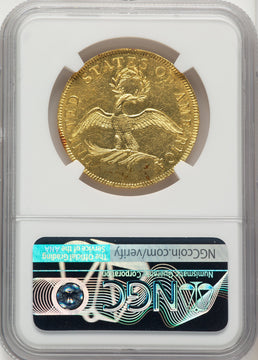
1796 $10 Early Eagle NGC MS61
$172,480.00 as low as -
U.S. Mint | SKU: 910587006
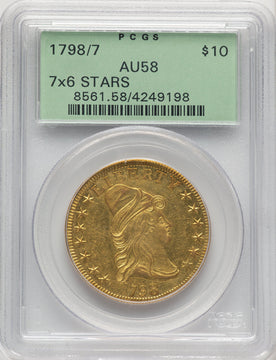
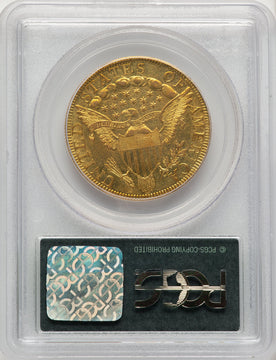
1798/7 $10 7x6 STARS Early Eagle PCGS AU58
$520,800.00 as low as -
U.S. Mint | SKU: 786425124
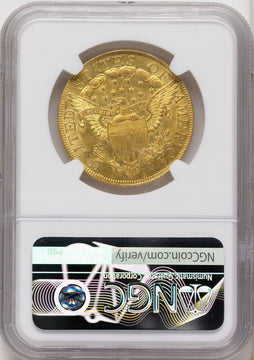
1799 $10 Lg Obv Stars Early Eagle NGC AU55
$20,720.00 as low as -
U.S. Mint | SKU: 67777009
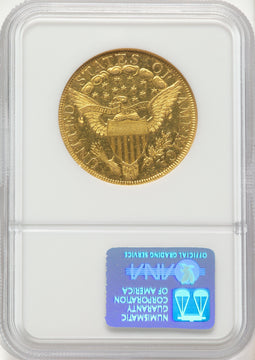
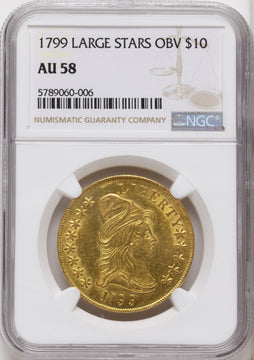
1799 $10 Lg Obv Stars Early Eagle NGC AU58
$27,440.00 as low as -
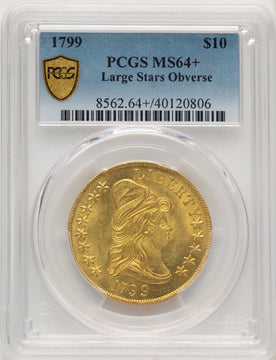
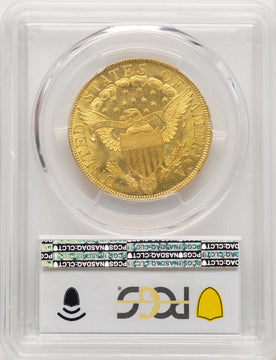
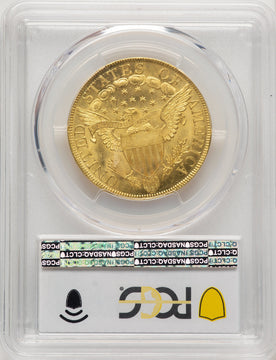
U.S. Mint | SKU: 910589001
1799 $10 Lg Obv Stars Early Eagle PCGS MS64+
$201,600.00 as low as -
U.S. Mint | SKU: 910587007
1800 $10 Early Eagle PCGS MS64
$275,520.00 as low as -
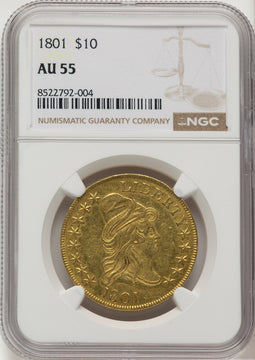
U.S. Mint | SKU: 177286001
1801 $10 Early Eagle NGC AU55
$21,280.00 as low as -
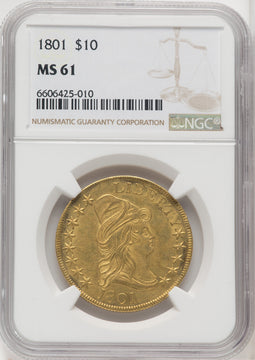
U.S. Mint | SKU: 768136046
1801 $10 Early Eagle NGC MS61
$30,387.50 as low as -
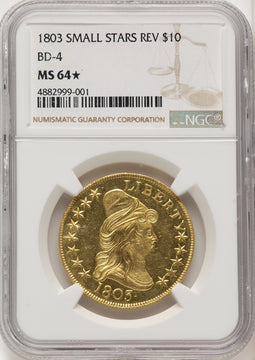
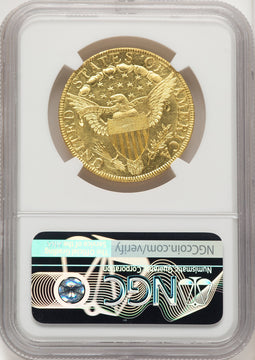
U.S. Mint | SKU: 910587008
1803 $10 BD-4 Early Eagle NGC MS64
$156,240.00 as low as -
U.S. Mint | SKU: 910459005
1804 $10 BD-1 Early Eagle NGC AU55
$86,800.00 as low as -
U.S. Mint | SKU: 910157001
1804 $10 BD-1 Early Eagle NGC MS62
$207,200.00 as low as -
U.S. Mint | SKU: 910587009
1804 $10 Crosslet 4 Early Eagle PCGS MS61
$186,550.00 as low as









At LCR Coin, we specialize in certified rare coins, modern collectibles, Pre-1933 gold, and precious metals backed by over 35 years of industry experience. Whether you are building a collection, investing in gold and silver, or searching for sought-after modern releases, we focus on offering quality products backed by respected grading services and professional customer support.
We specialize in certified coins from leading grading companies including NGC, PCGS, and CAC, along with premium U.S. Mint releases, low-mintage issues, and advanced designation coins. Every order is handled with care, secure packaging, and a commitment to transparency from purchase to delivery.
- Certified coins from industry-leading grading services
- Family-owned with over 35 years of industry experience
- Competitive pricing with no hidden fees
- Secure insured shipping and professional packaging
- Collector focused customer service and support
- Carefully curated inventory of rare and modern coin


Frequently Asked Questions
Yes.
- Orders $349 and over ship FREE with full insurance within the United States.
- Orders under $349 are charged a minimum $16.95 insured shipping fee.
Pre-order pricing is locked in and charged in full at the time of purchase. As precious metals prices and U.S. Mint issue prices change, future inventory is often higher. Your pre-order secures both your price and your allocation.
You may cancel your pre-order at any time prior to fulfillment for a full refund. However, if you choose to place a new order later, it will be subject to current market pricing and availability.
Estimated delivery dates are provided on each product page and are subject to change based on U.S. Mint, grading service, or supplier release schedules.
Yes. LCR Coin proudly offers a wide selection of coins certified and graded by the industry’s leading third-party grading companies, including PCGS, NGC, and CAC.
LCR Coin has been a trusted rare coin and precious metals dealer for over 30 years, offering certified rare coins, modern releases, and gold & silver bullion from the industry’s leading grading services.
As an Authorized Dealer for PCGS, NGC, and CAC, we are committed to providing collectors and investors with high-quality certified coins, competitive pricing, secure shipping, and exceptional customer service.
Estimated delivery dates are provided on the product page and are subject to change based on U.S. Mint or supplier release schedules.
More About This Collection
$10 Draped Bust Gold Eagle
Small Eagle Variety - When the mint began striking coins in 1793, they could only strike copper coins due to security and bonding concerns. They were unable to strike ANY gold coins until 1795. The Chief Engraver of the US Mint, Robert Scot, designed the obverse of the coin to display Miss Liberty, facing right, wearing a Turban-type hat. Above her is the legend “LIBERTY” and there are 10 five-pointed stars behind and five five-pointed stars in front of the face. The date is below the bust.
The reverse depicts a thin eagle holding an olive wreath in its beak. Its head is raised up. Wings are outstretched put pointing downward. An olive branch is within its talons and “UNITED STATES OF AMERICA” surmounts the eagle around the periphery.
The first Chief Engraver of the United States Mint, Robert Scot, created all three of the designs for the first US $10.00 Gold Eagles – one obverse design and two reverse designs, a small eagle, and a heraldic eagle. All three gold coin denominations used these same designs. Scott heard the public and US Mint criticisms of his small eagle design (called a “Scrawny Eagle”) and set about to remedy the critique.
He modeled the new eagle after the design on the Great Seal of the United States. The eagle, being the central vignette, was much more majestic than on his small eagle design. It more gloriously represented the new nation. These Small Eagle coins were struck from 1795 to 1804.
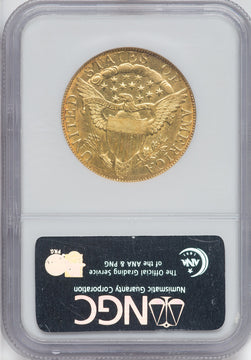
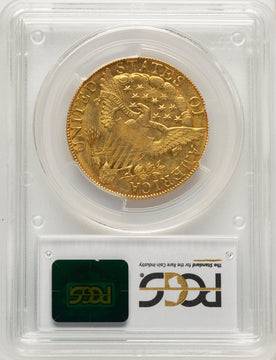
Large Eagle Variety - Scott did not modify the obverse design from his first design. He kept Miss Liberty wearing a turban-like hat, facing to her right. Above her, on the periphery, was the word “LIBERTY” and there were five six-pointed stars to the right and eight six-pointed stars to the left. The date is under Miss Liberty. The new Heraldic Eagle design had the eagle facing left, with a scroll in her mouth on which was inscribed “E PLURIBUS UNUM.” Surrounding the eagle’s head were 13 six-pointed stars. Above the stars was a bank of clouds. Around the periphery of the coin was “UNITED STATES OF AMERICA.” No denomination was started on these early gold coins and Scott’s modified eagle was much more successful and the design received praise instead of scorn.
So, during the first year of the new design – 1797 – the Philadelphia Mint struck 10,940 coins. This variety was struck from 1797 through 1804. There was a total of 3,757 eagles dated 1804 that were struck in that year. They are called “Crosslet 4” coins because they have short vertical extensions of the cross-stroke at the end. Although over 3,700 coins were minted, very few are known to exist today.
In 1834, the Government intended to present a set of then-current US coins to four Asian rulers with whom they hoped to open trade relations. Although this was 30 years later, neither a $10 Gold coin nor a Silver Dollar had been struck since 1804. The US Mint Director was pressured to strike 1804-dated $10 gold eagles and silver dollars specifically for these sets. Four of each of these two coins were struck and the sets were completed and encased in wood, leather and the four coins struck for these four sets were all of the “Plain 4” variety with no Crosslet and they were struck in Proof condition.
Two sets were presented to the King of Siam and the Sultan of Muscat and Oman. But the two remaining sets were never presented as the US diplomat died of disease. The existence of all four sets is known today, with three in private hands and the fourth in a museum.
